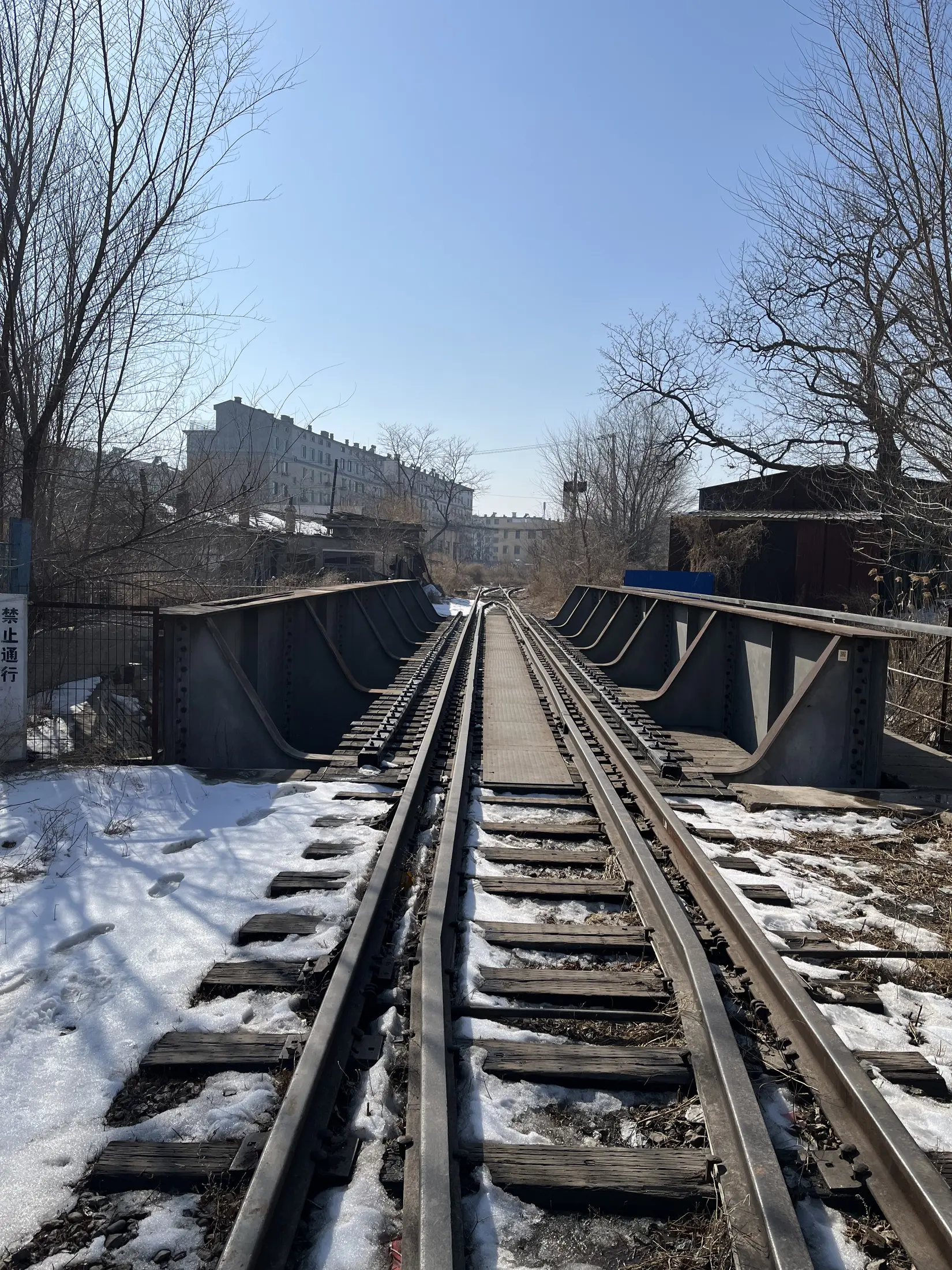
A bridge under ten metres long
can still have a name of its own.
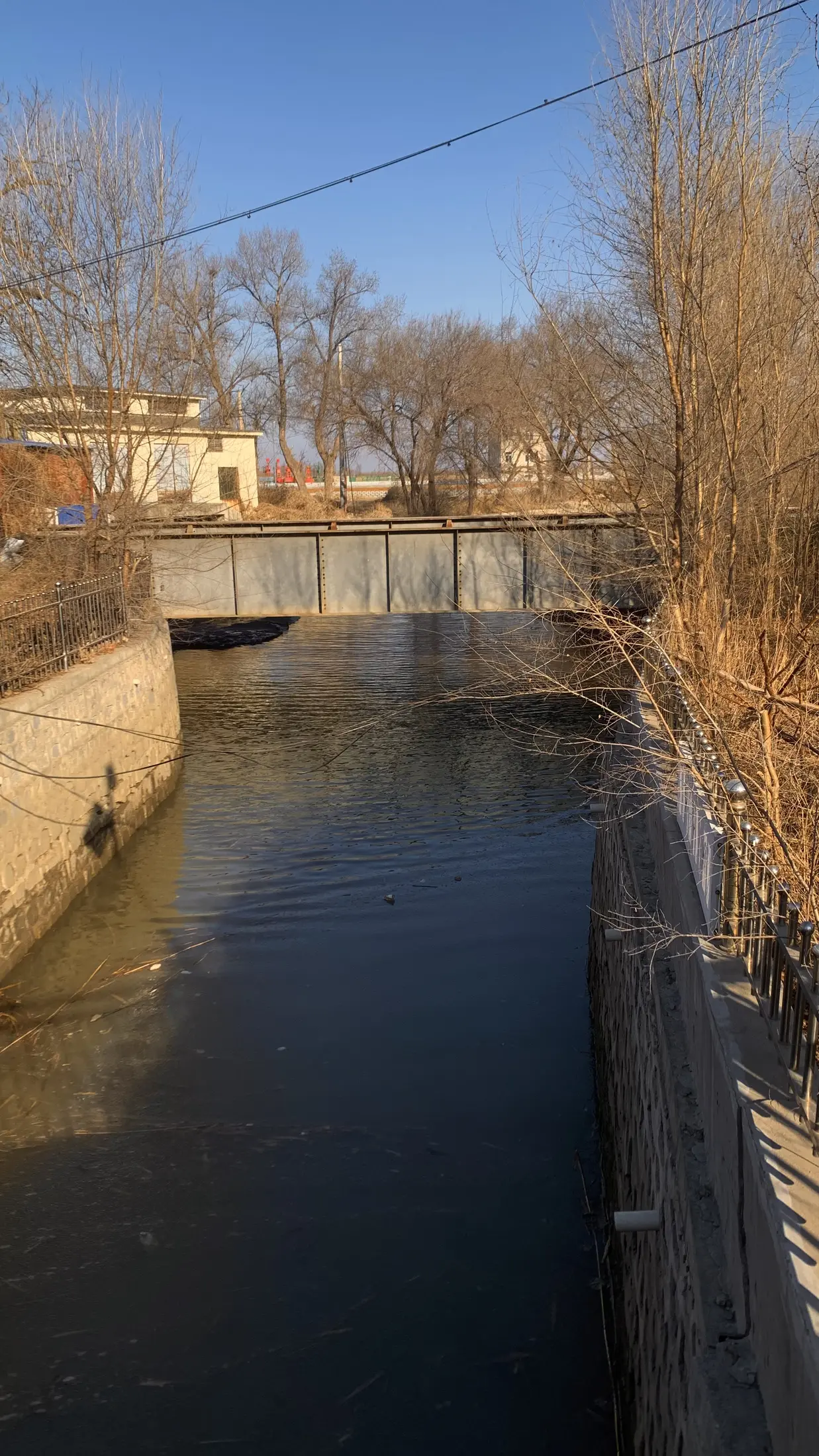
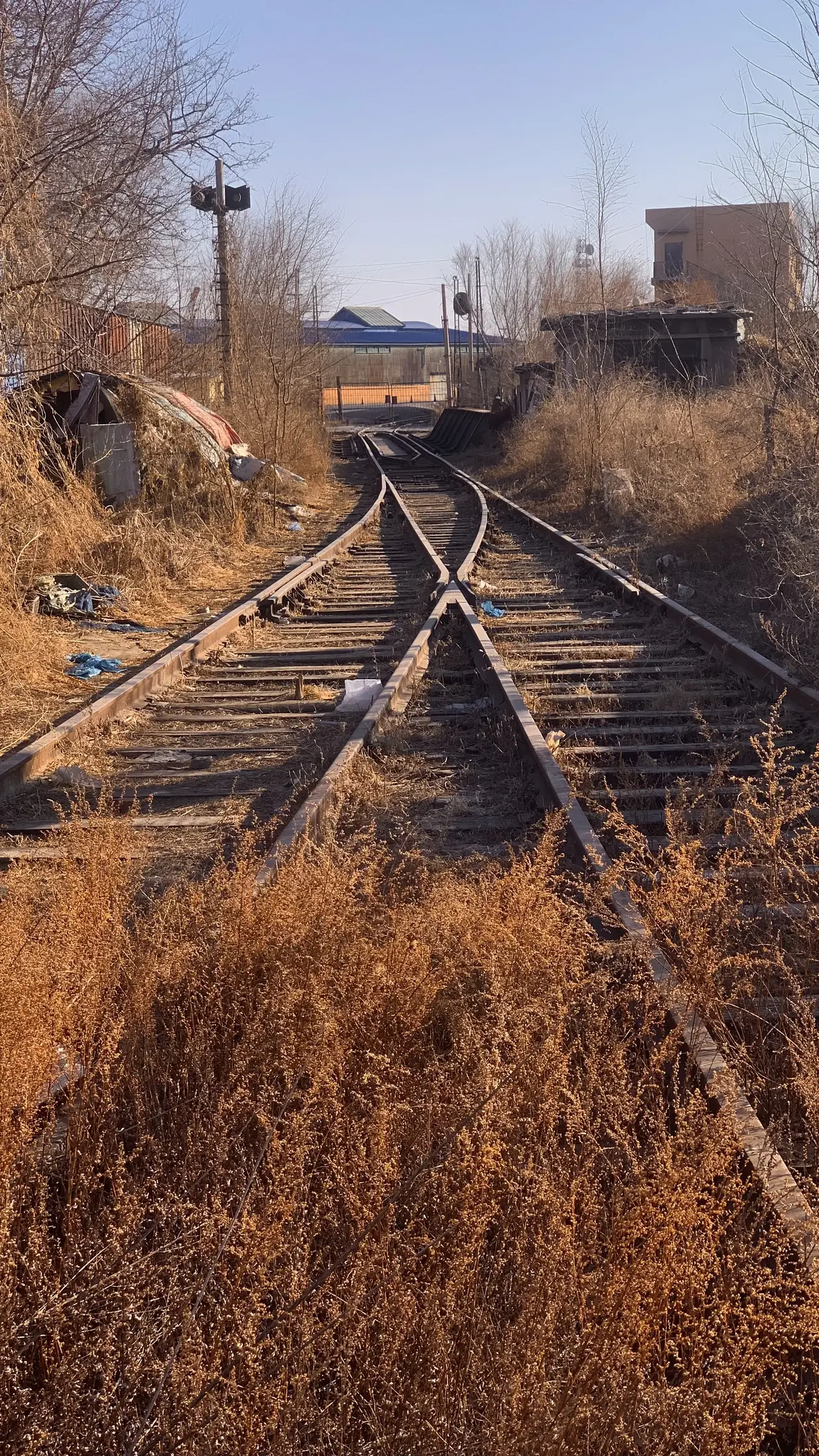
A local account says the name Gonglong combines gong from Hada Kō, head of the Dalian railway office, and long from Yingkou stationmaster Taga Nobutaka. The story still needs confirmation in early gazetteers or archival records, but the name itself has entered Yingkou’s railway memory.
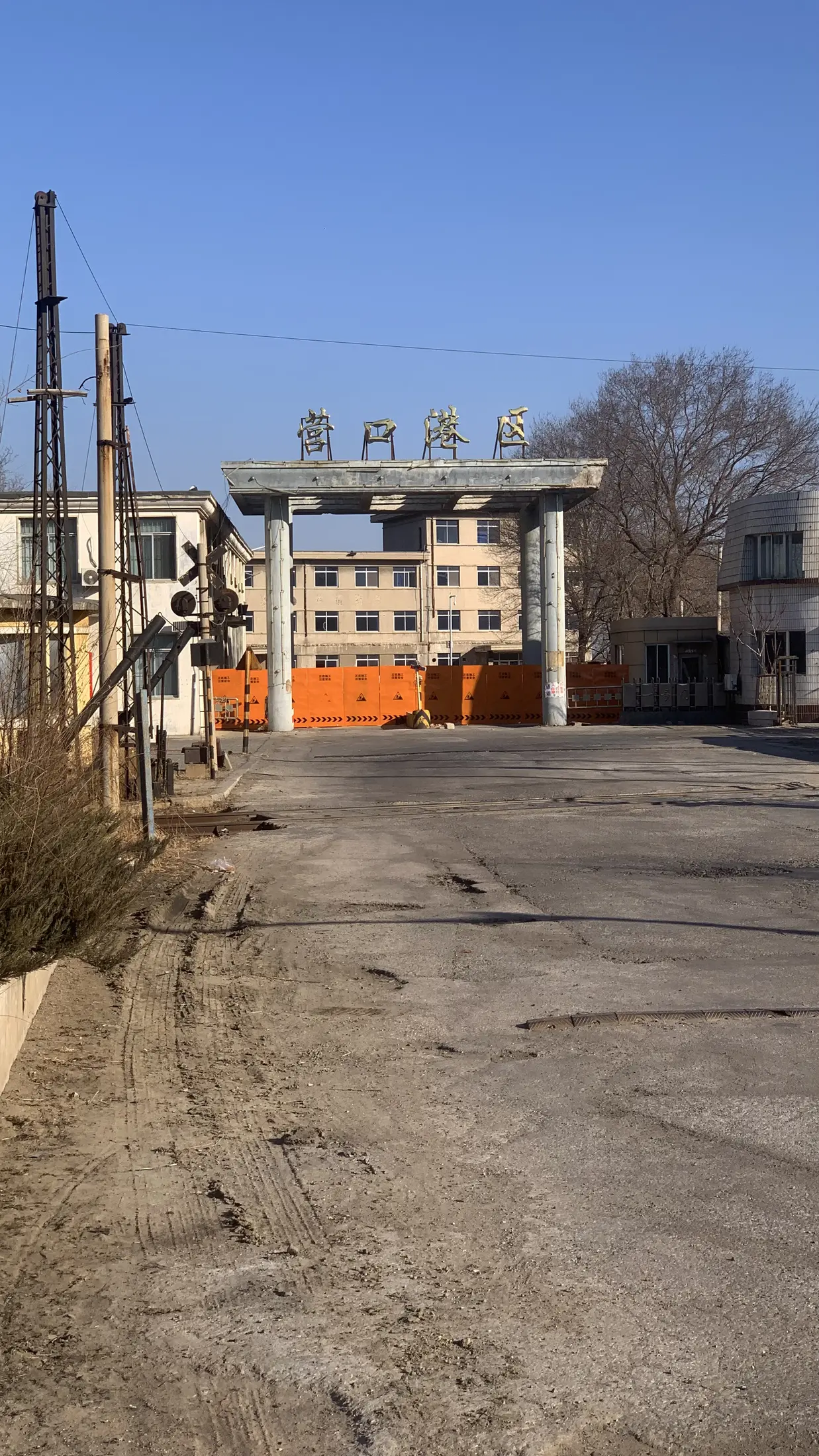
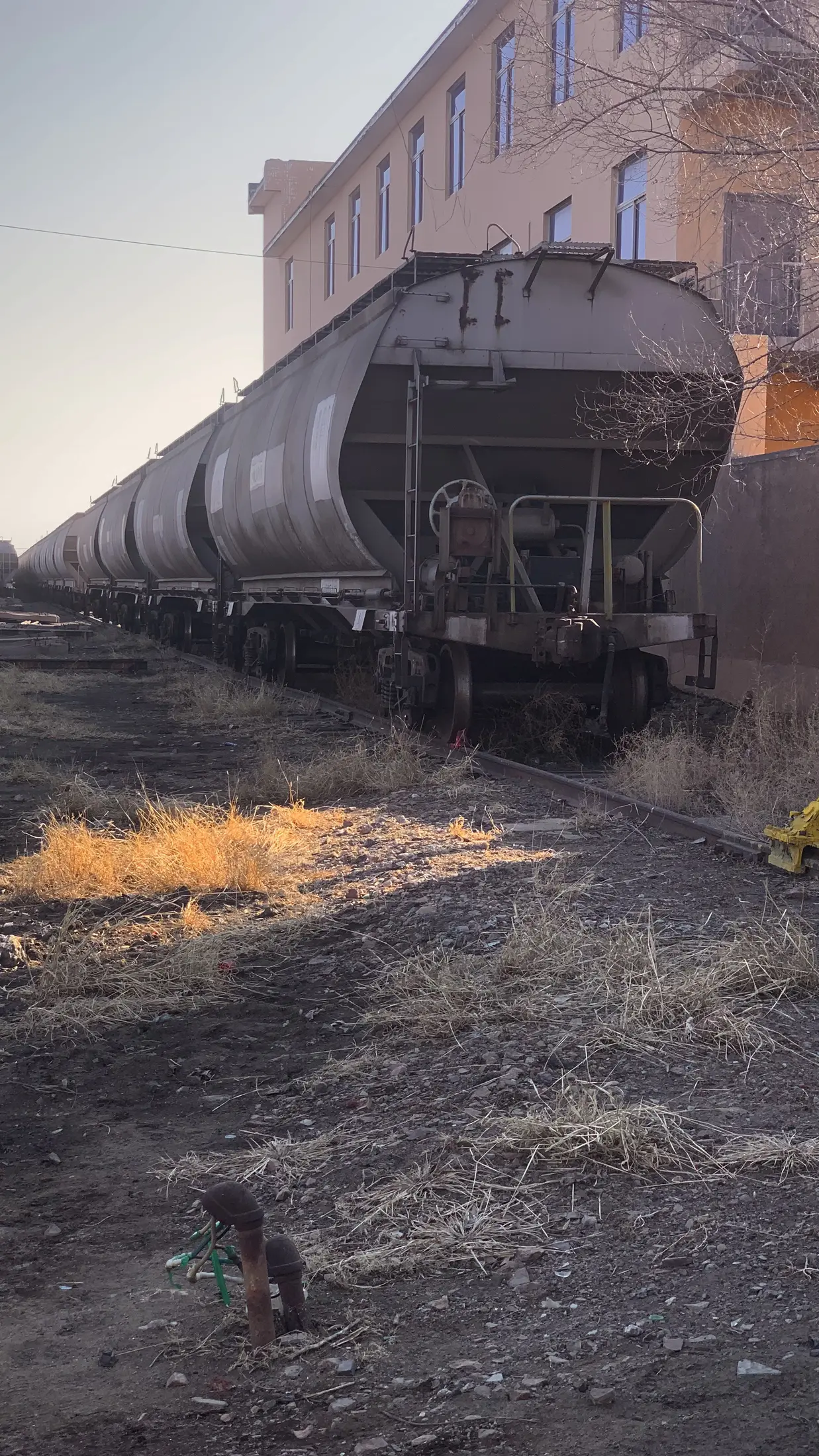
After the Russo-Japanese War, Japan acquired railway rights in 1905 and established the South Manchuria Railway Company the following year. Yingkou became a branch-line node linking its port with the Northeast interior. The railway helped form modern transport, promoted the growth of industry along the line, and became a catalyst for the modernisation of the Northeast economy. It remained important infrastructure for Yingkou’s economy until the end of the twentieth century.
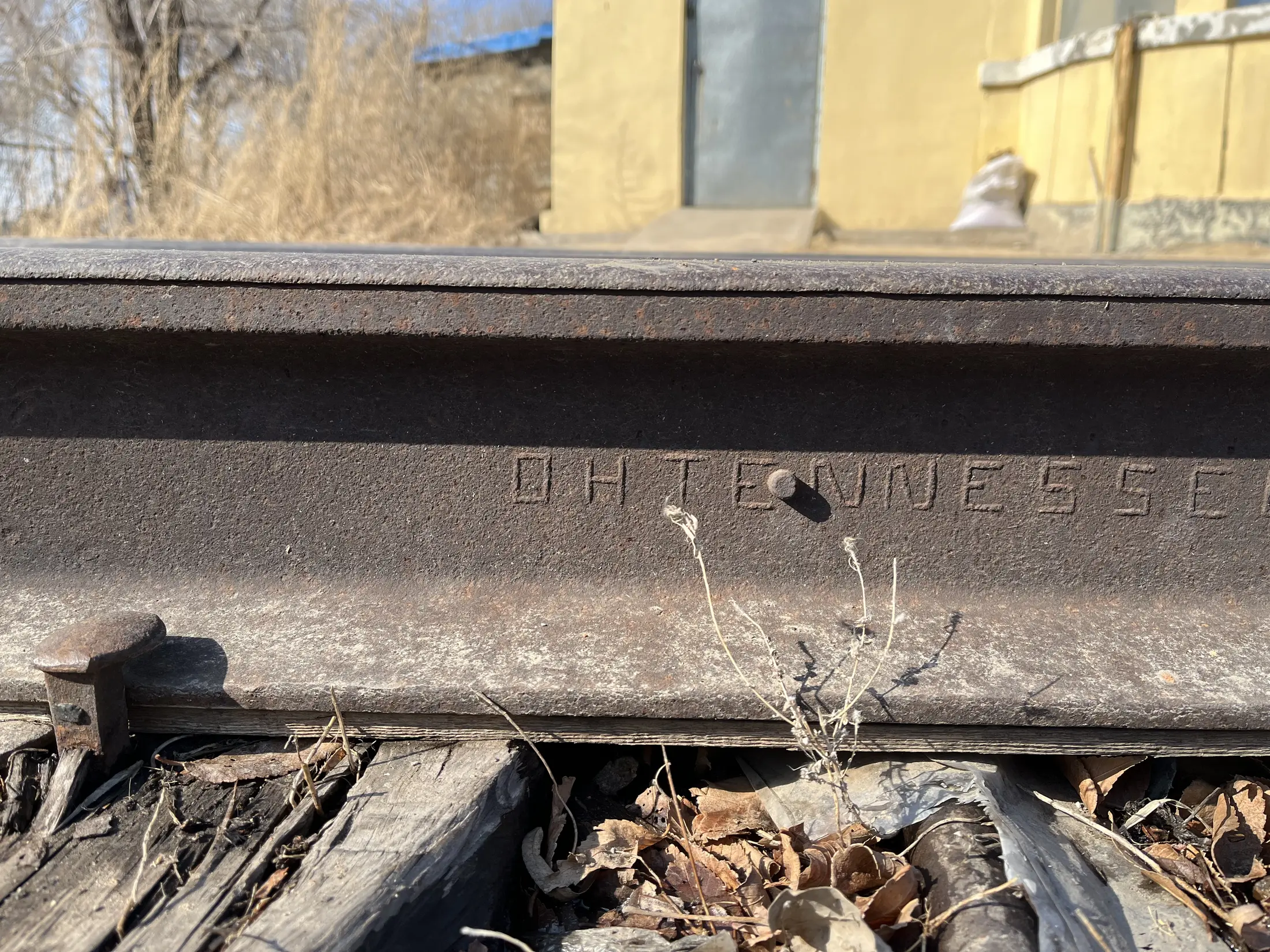
The unexpected word:
TENNESSEE.
My first thought was the inland state in the American South. What could Tennessee possibly have to do with Yingkou in the 1920s?
By reading a sequence of photographs together, the rolling mark can be reconstructed approximately as:
A brief search showed that TENNESSEE was not a place of manufacture, but the corporate mark of a Southern company: the Tennessee Coal, Iron and Railroad Company, or TCI. Despite its name, its major steelmaking base was around Ensley, Alabama. From 1907, TCI became part of U.S. Steel. Whether Tennessee or Alabama, the names brought to mind little industrial imagery beyond a few Stephen Foster songs. I decided to search further online.
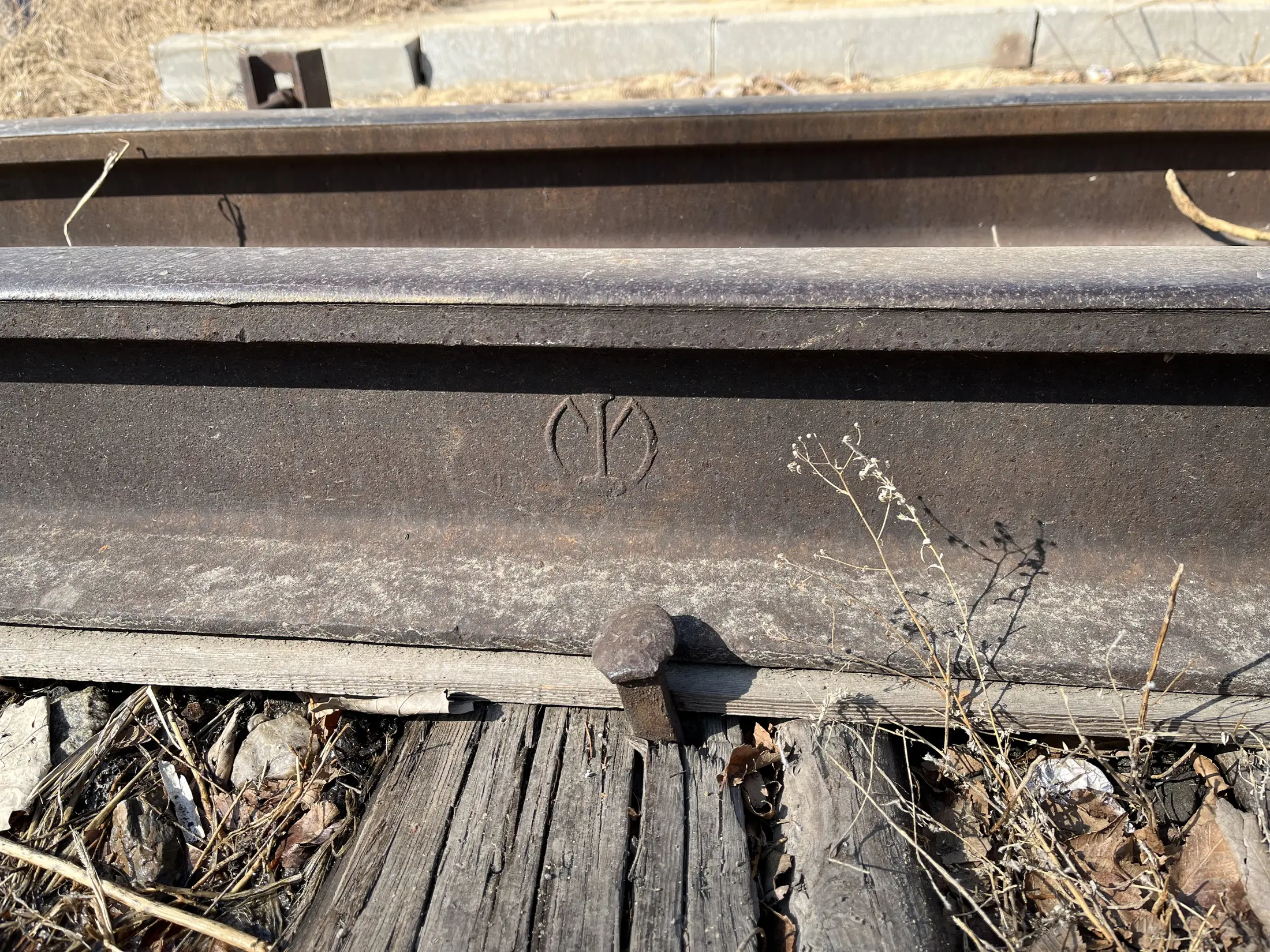
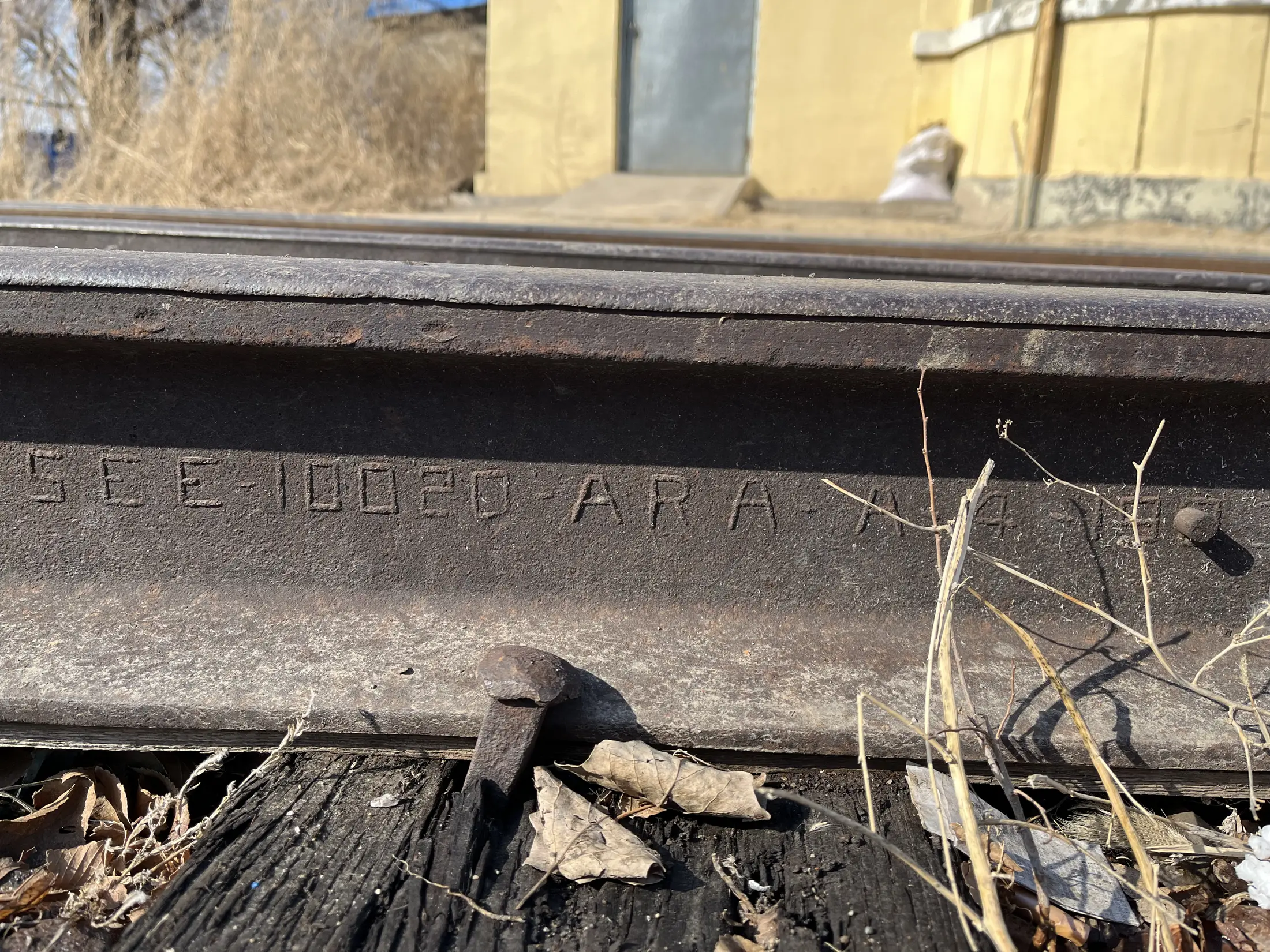
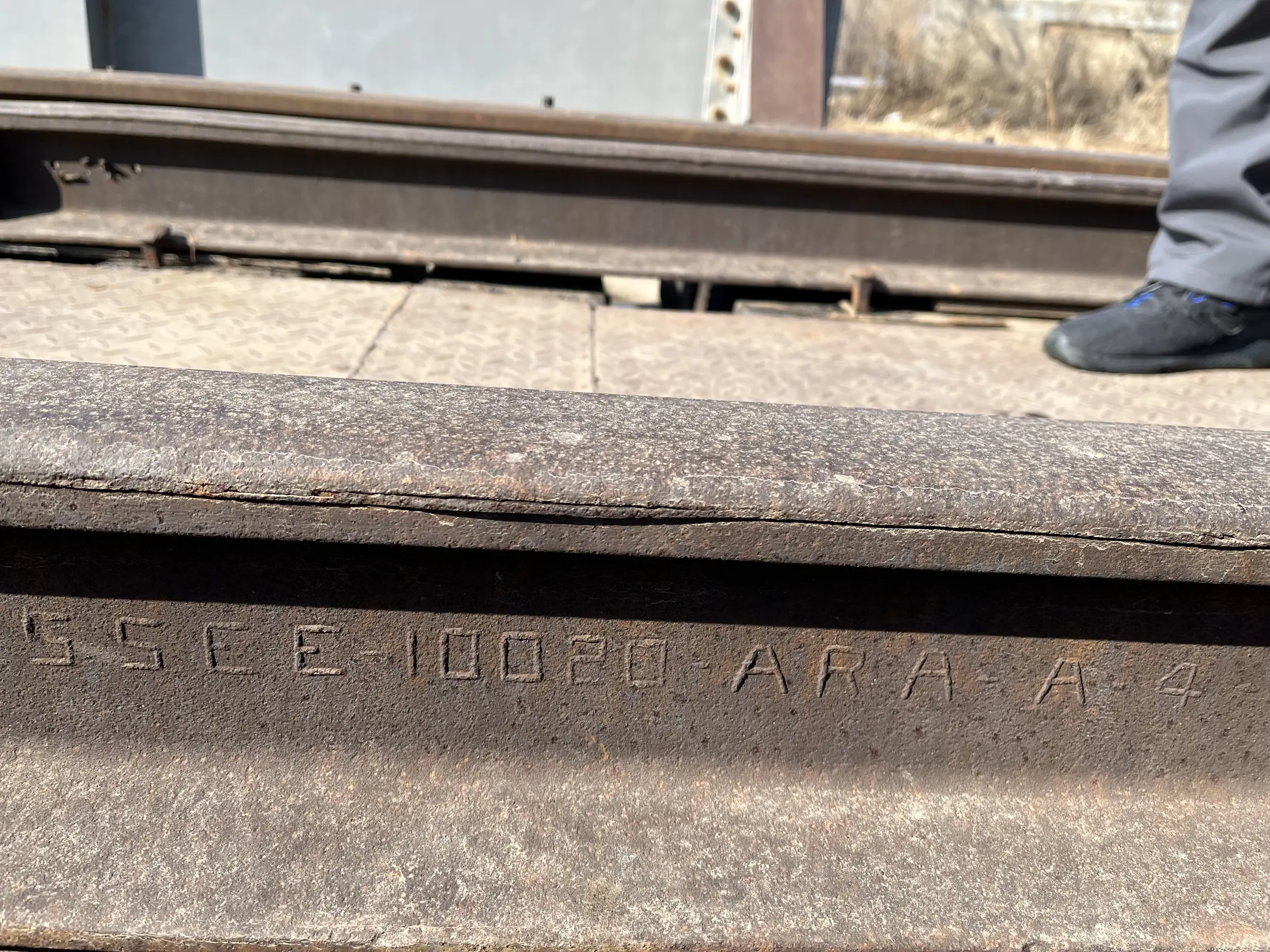
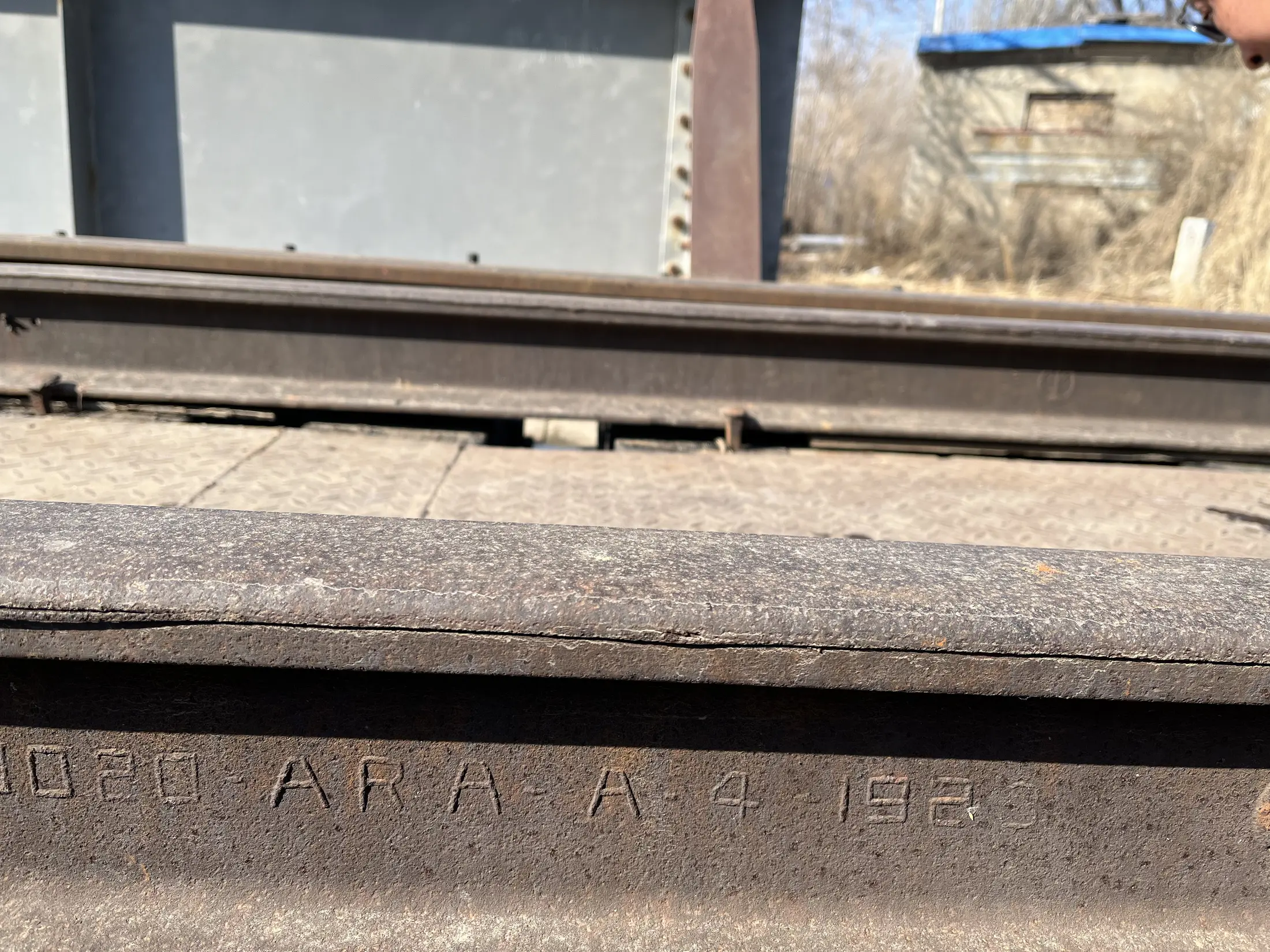
What can the stamp actually tell us?
An online search quickly led to a very useful website, with a striking photograph on its home page. Its “Identifying Marks” link opened a manual on rail diagnosis and maintenance that explained how to read rail inscriptions—exactly what I needed. With the help of that document, most of the inscription could be interpreted:
Open Hearth steel. It identifies the steelmaking process. Page 11 of the manual.
Steelmaking processThe company or rail-brand mark of the Tennessee Coal, Iron and Railroad Company. Its main mills were in Alabama; it is now part of U.S. Steel. Page 9 of the manual.
ManufacturerA 100-pound-per-yard rail and its cross-section design standard—the section standard associated with ARA A below.
Weight / sectionThe American Railway Association Type A (“American Railway Association, high speed”) rail specification. Page 12 of the manual.
Rail specificationUnder common marking practice of the period, this most likely means the rail was rolled in April 1923.
Date of manufacturePut into words, the inscription describes a rail made by the Tennessee Coal, Iron and Railroad Company in April 1923, produced by the open-hearth process and conforming to the ARA A application and the 10020 standard. The research also revealed that rail lettering itself followed rules governing such details as character size and relief, and that the conventions changed—for example, later makers used vertical lines to mark the month, with five lines meaning May. I will not list every convention here.
The global industrial network
behind one rail.
In 1923, railways, ports, mining and urban industry were expanding rapidly across Northeast China. Heavy rail required a mature steel industry; in return, railways carried coal, ore, grain and machinery over ever greater distances.
Another rail in the photograph below carries the emblem of the Yawata works in Fukuoka, Japan—a long-established enterprise in Fukuoka Prefecture.
If these two rails were installed here from the beginning, they show that the South Manchuria Railway had built a global supply chain in that era. Today, the central advantages of a global supply chain are understood as lower costs, distributed risk, optimised allocation of resources and greater overall efficiency. This approach undoubtedly helped the company’s later growth.
What is certain is that this small, seemingly peripheral place once belonged to a manufacturing, purchasing and transport network that crossed the Pacific. A region’s modernisation never happens only within that region.
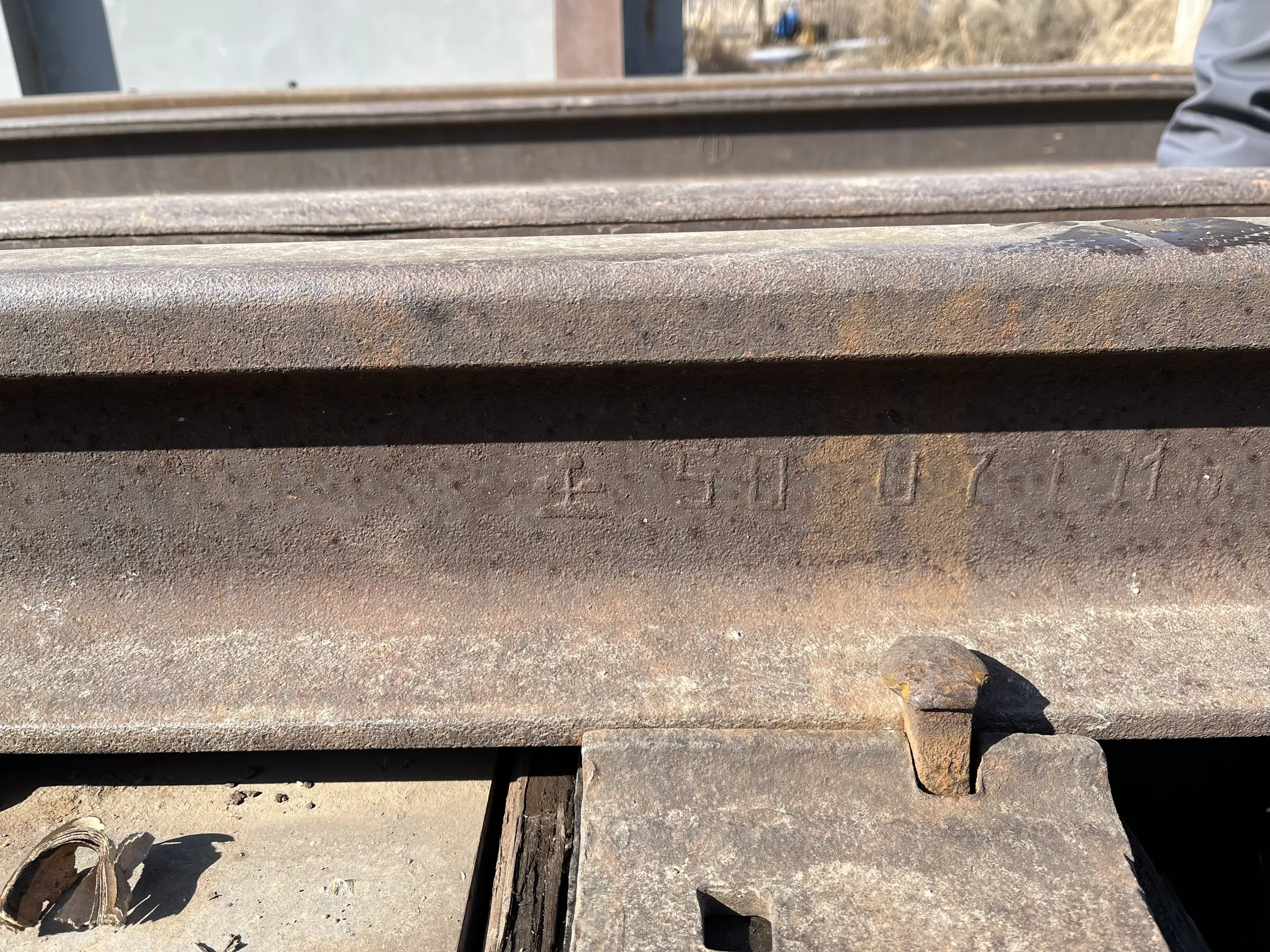
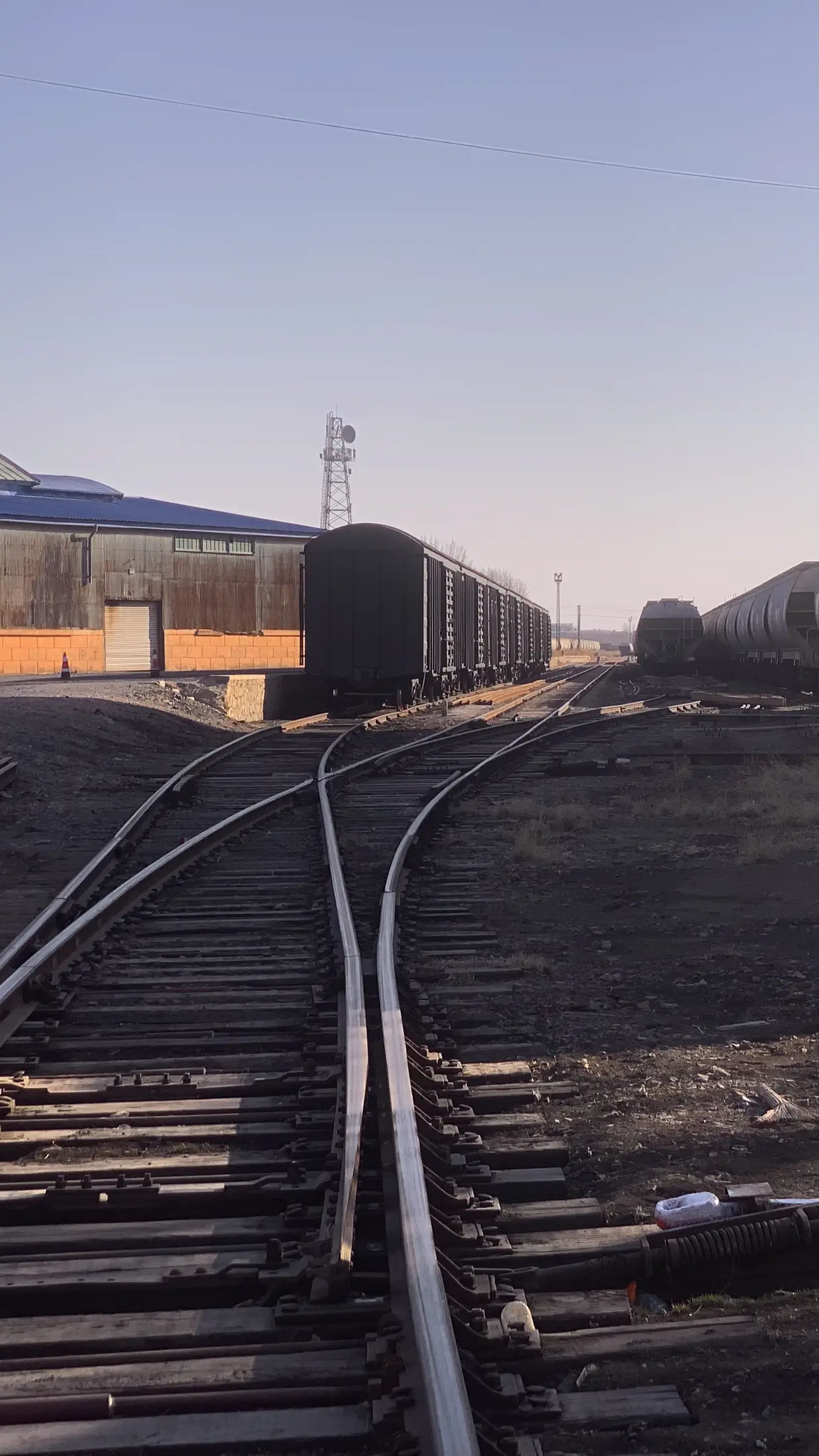
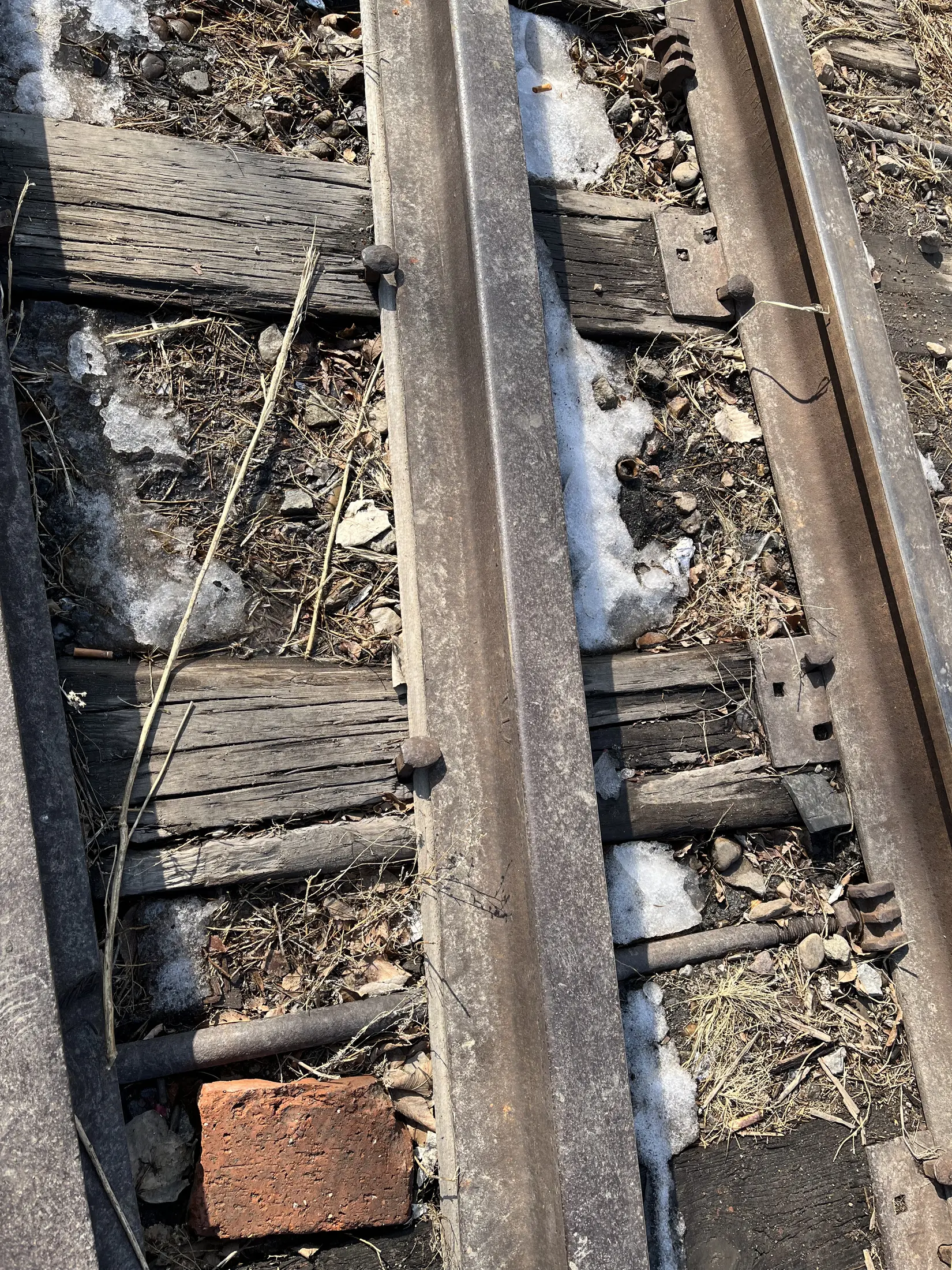
Where the answers stop,
the next investigation begins.
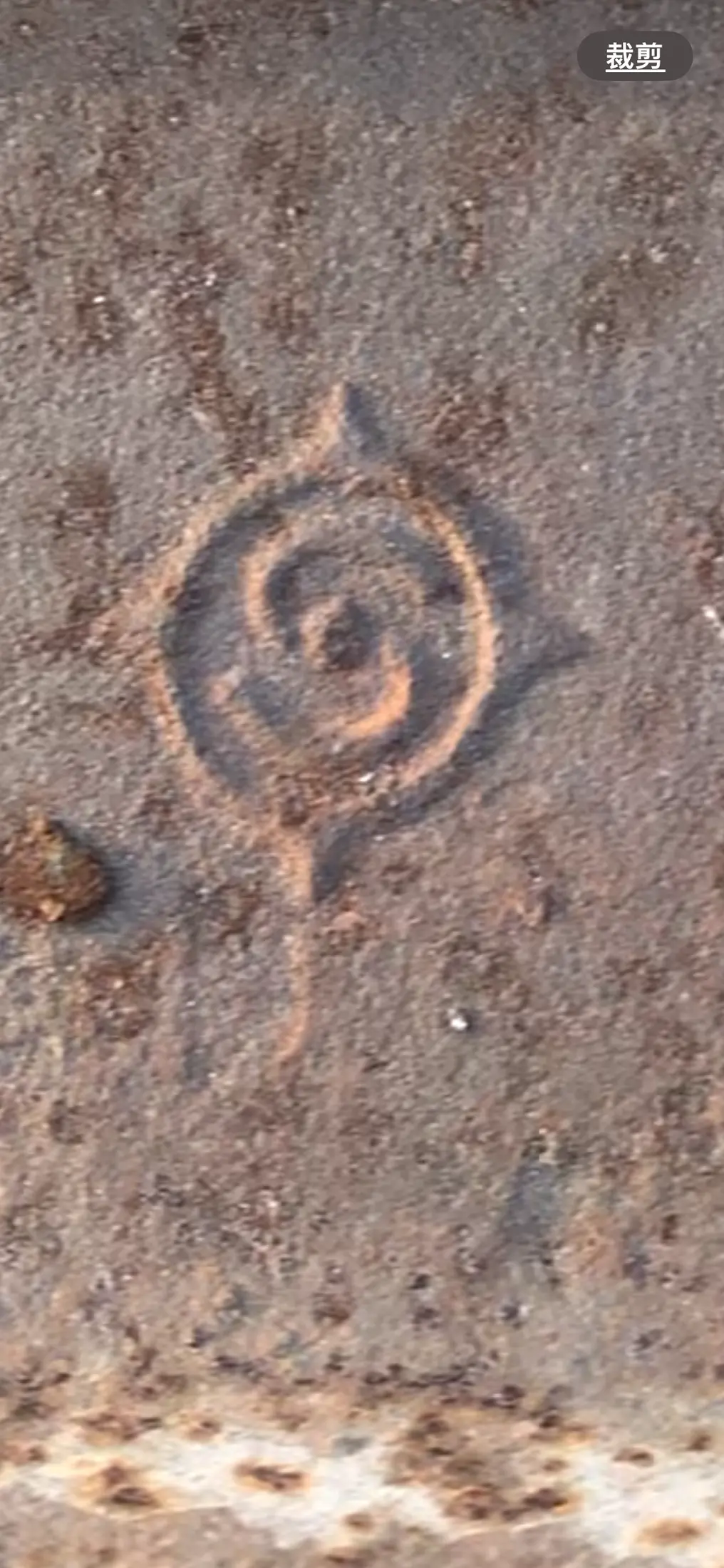
A clear circular emblem was also found at the site. It is the mark of the South Manchuria Railway.
More questions remain unanswered. From which American port did the rail depart? When was it laid in Yingkou? Can the story behind the name Gonglong Bridge be confirmed in archival records?
When I saw them, the rails and sleepers had already been gazing up at the stars from this frozen ground for more than a century. In the twenty-first century, trains have become scarce and the centre of industry has moved elsewhere. Yet the line of letters on the rail still preserves coordinates left by its maker, technical standards and global trade. A single rail truly can hold so much history that has gone unnoticed to this day.